
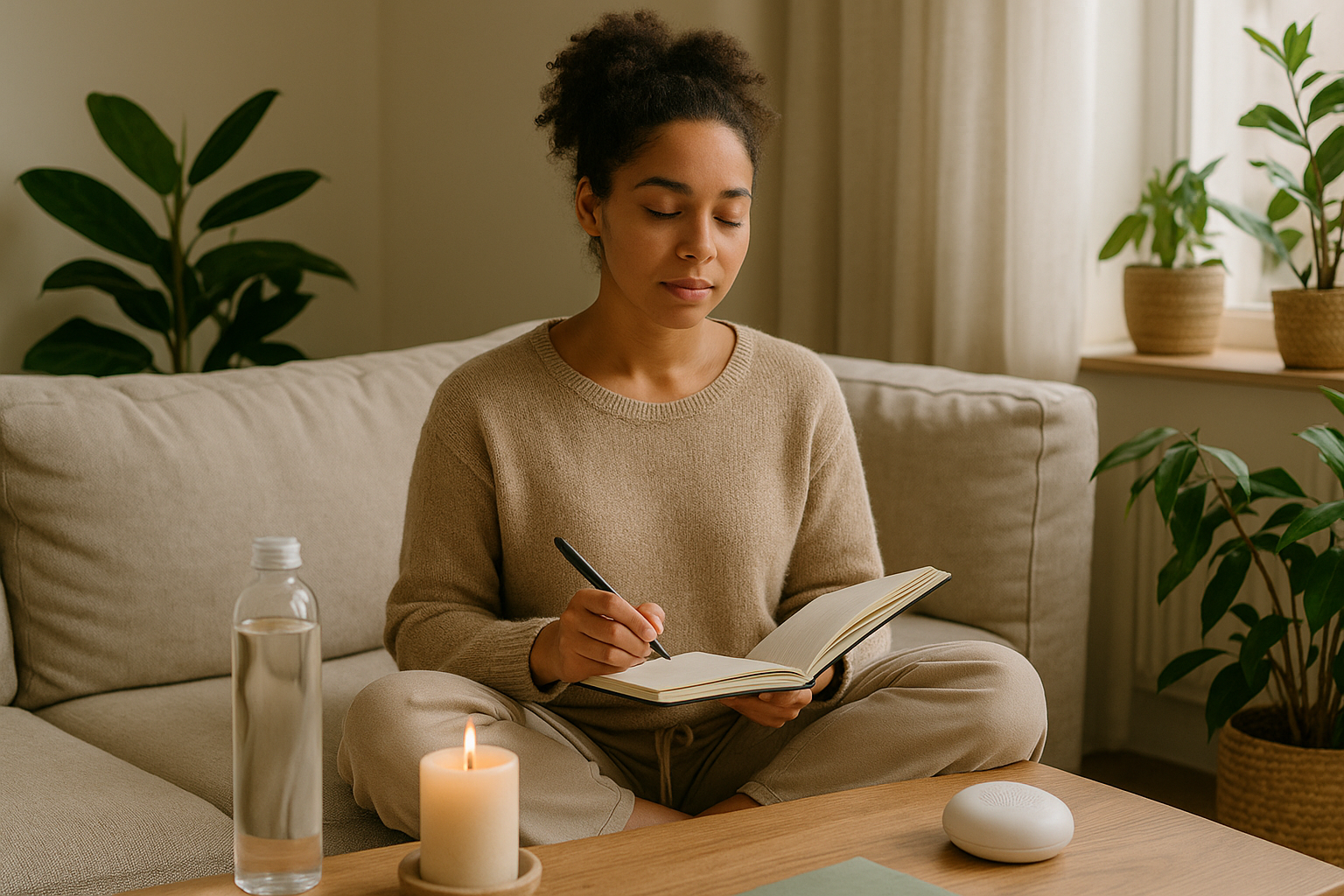
Self-care is more than bubble baths and face masks — it’s about taking care of your physical, emotional, and mental well-being on purpose. In a world that constantly demands your attention, creating a self-care routine helps you slow down, refocus, and protect your energy.
But here’s the challenge: most people either don’t make time for self-care, or they try to copy routines that don’t really fit their lifestyle.
In this article, you’ll learn how to build a sustainable, personalized self-care routine that supports your daily life — even if you’re busy.
What Self-Care Is (and What It’s Not)
Self-care is:
- Regular habits that replenish your energy
- Saying no when needed
- Listening to your body and emotions
- Creating space for rest and reflection
- Investing in your long-term well-being
Self-care is not:
- Escaping problems or responsibilities
- Self-indulgence without purpose
- A reward you “earn” only after burning out
Self-care is not selfish — it’s survival. And it’s essential.
Step 1: Define What Self-Care Means to You
The most effective routine is the one that fits your life, needs, and preferences.
Ask yourself:
- What makes me feel restored?
- What drains me — and how can I manage that better?
- What do I need more of in my day? (Sleep, connection, movement, quiet?)
- What boundaries would improve my peace?
This clarity helps you build self-care around your real needs, not someone else’s checklist.
Step 2: Choose Your Core Self-Care Pillars
Build your routine around key areas of well-being. Here are some to consider:
🧠 Mental
- Journaling for clarity
- Reading something uplifting
- Taking breaks from screens
- Practicing mindfulness or meditation
❤️ Emotional
- Talking to a friend or therapist
- Expressing gratitude daily
- Allowing yourself to cry, rest, or pause
- Saying no when you need to protect your energy
🏃 Physical
- Getting quality sleep
- Moving your body in ways you enjoy
- Staying hydrated and nourished
- Stretching or taking walks to relieve stress
💡 Spiritual
- Spending time in nature
- Practicing prayer, meditation, or reflection
- Disconnecting from noise and reconnecting with purpose
- Reading or listening to something meaningful
Choose 1–2 habits from each area to start. Keep it simple.
Step 3: Start With Small, Repeatable Habits
Don’t overwhelm yourself. You’re not trying to build a perfect routine — you’re building a realistic one.
Try:
- 5 minutes of journaling before bed
- 10-minute morning walks
- Saying “no” to one unnecessary task per week
- Drinking a glass of water first thing in the morning
Small acts, done regularly, create big shifts in how you feel.
Step 4: Schedule It Like a Non-Negotiable Appointment
If self-care is always “when I have time,” it rarely happens.
Try this:
- Add your habits to your calendar
- Set phone reminders if needed
- Build your self-care into existing routines (e.g., meditation after brushing teeth)
- Treat these moments with the same respect you’d give to meetings or deadlines
Consistency builds trust — with yourself.
Step 5: Let Go of Guilt
Many people struggle with guilt around rest or saying no.
But the truth is: you can’t pour from an empty cup.
Remind yourself:
- “Rest is productive.”
- “Taking care of myself helps me show up better for others.”
- “I’m allowed to protect my energy.”
Self-care is not about escaping responsibility — it’s about sustaining your capacity to show up fully.
Step 6: Adjust as You Go
Your needs will change. Your energy will change. Your schedule will shift. That’s normal.
Check in with yourself weekly or monthly:
- What’s working?
- What feels like a chore instead of care?
- What do I need more of right now?
Self-care should be flexible and responsive, not rigid or forced.
Step 7: Create a “Crisis Care Plan”
It’s easier to care for yourself when life is calm — but you also need a plan for harder days.
Build a mini version of your routine for low-energy days:
- Drink water
- Take 3 deep breaths
- Step outside for 5 minutes
- Text a friend just to say hello
Even the smallest act of care counts — especially when you don’t feel like it.
Step 8: Don’t Compare Your Routine to Others
Self-care is personal.
- You don’t need to wake up at 5 a.m.
- You don’t need a 10-step skincare routine
- You don’t need to copy influencers or trends
If it doesn’t nourish your soul, it’s not your self-care.
Final Thought: Make Self-Care a Lifestyle, Not a Last Resort
You don’t need to “earn” rest. You don’t need to be exhausted before taking a break.
You’re allowed to take care of yourself because you exist — not just because you’ve done enough.
So start small. Stay consistent. Be kind to yourself in the process.
Because when you take care of yourself first, everything else becomes a little easier.
Deixe um comentário