
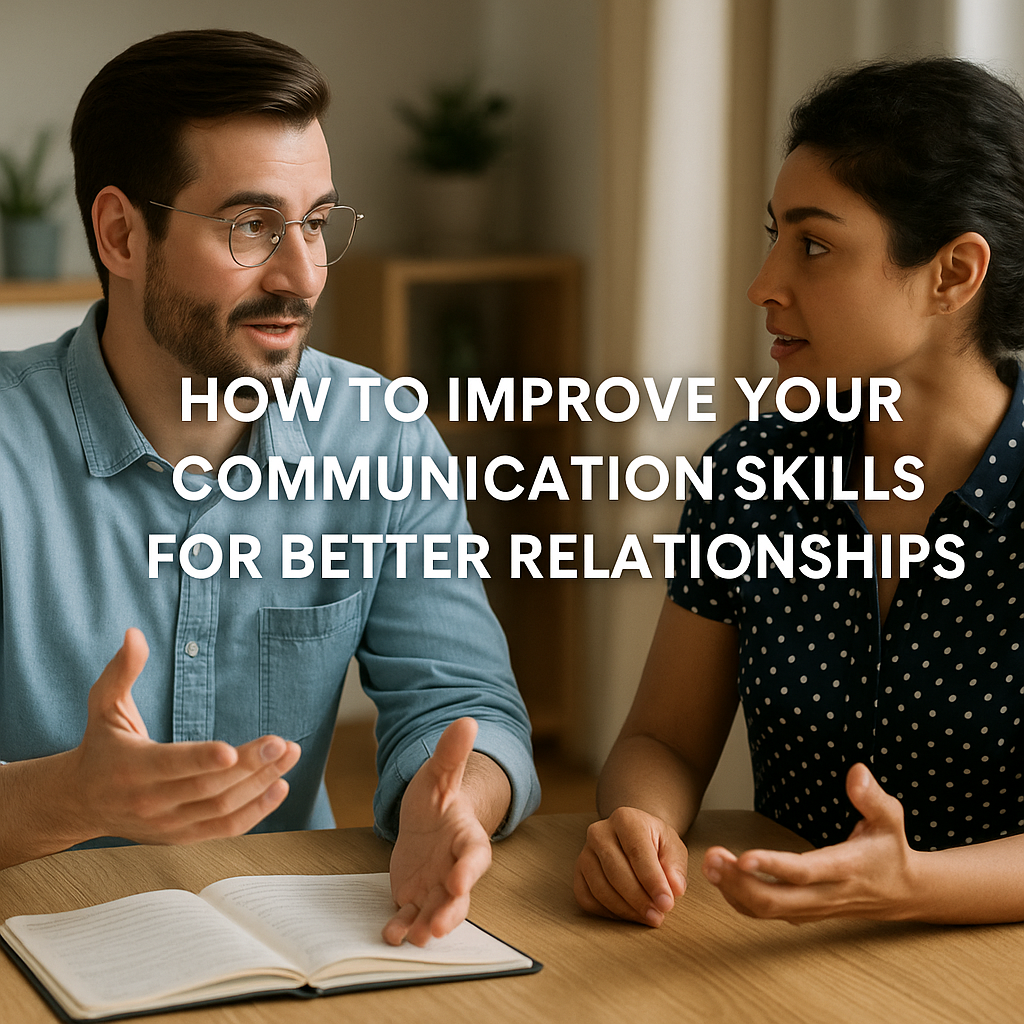
Effective communication is one of the most important personal development skills — and yet, it’s often the most neglected. Whether you’re trying to deepen a friendship, build a romantic partnership, collaborate with colleagues, or simply express yourself clearly, strong communication can transform how you connect with others.
This article will walk you through essential communication techniques you can practice every day to create stronger, more respectful, and more fulfilling relationships.
Why Communication Skills Matter
Good communication is more than just talking. It’s about:
- Listening with intention
- Expressing yourself clearly and respectfully
- Reading non-verbal cues
- Navigating conflict without drama
- Creating space for understanding and empathy
When communication breaks down, relationships suffer — even when intentions are good.
But when it improves, everything else improves with it: trust, respect, connection, and growth.
1. Practice Active Listening
Listening is more than staying quiet while someone talks.
Active listening means being fully present, showing interest, and making the speaker feel heard.
Try this:
- Make eye contact
- Put away your phone
- Don’t interrupt
- Use brief nods or “I see,” “Go on,” to show engagement
- Repeat back what you heard: “So what I’m hearing is…”
People don’t just want to be heard — they want to feel understood.
2. Think Before You Speak
We often regret what we say in moments of anger or stress.
Pause before responding — especially in emotionally charged situations.
Ask yourself:
- Is this kind?
- Is this true?
- Is this necessary right now?
A thoughtful pause can prevent hours of damage.
3. Use “I” Statements, Not Accusations
When expressing feelings or frustrations, shift from blame to ownership.
Instead of:
“You never listen to me.”
Try:
“I feel hurt when I don’t feel heard.”
“I” statements reduce defensiveness and create room for honest dialogue.
4. Pay Attention to Body Language
Non-verbal cues can speak louder than words. Your tone, facial expressions, and posture matter.
Tips:
- Keep an open posture (uncrossed arms)
- Maintain a calm tone
- Avoid rolling your eyes or sighing
- Smile or nod when appropriate
Likewise, learn to read the body language of others — it can help you sense discomfort or confusion even when it’s not spoken.
5. Ask Clarifying Questions
Don’t assume — ask. Misunderstandings often come from jumping to conclusions.
Ask:
- “What do you mean by that?”
- “Can you help me understand what you’re feeling?”
- “Did I understand you correctly when you said…?”
Clarifying avoids conflict, builds trust, and makes people feel safe opening up.
6. Be Clear and Direct — Not Aggressive
Healthy communication is honest and respectful.
Don’t:
- Sugarcoat your message to avoid conflict
- Use sarcasm to mask real emotions
- Beat around the bush and hope they “get it”
Instead:
- Say what you mean
- Stay calm and respectful
- Focus on the issue, not the person
Clear is kind.
7. Listen to Understand — Not Just to Respond
Sometimes we listen only to prepare our next argument.
But the goal of communication isn’t to win — it’s to connect.
Practice:
- Quieting your inner response
- Letting the other person finish
- Reflecting on their words before replying
Seek understanding first, then contribute.
8. Manage Your Tone and Timing
Your tone can change the entire meaning of your words. So can your timing.
Avoid serious conversations:
- Late at night
- When either person is hungry, tired, or distracted
- In public or stressful settings
And speak with a calm, measured tone — even when addressing hard things.
9. Be Open to Feedback
Good communication is a two-way street. Invite others to tell you how your communication makes them feel.
Ask:
- “Did I come across clearly?”
- “How could I say this better next time?”
- “Was I being fair or too harsh?”
Feedback makes you a stronger communicator and deepens trust.
10. Practice Empathy
Put yourself in the other person’s shoes. What might they be feeling? What might they need right now?
Say:
- “I imagine that felt frustrating.”
- “It makes sense you’d feel that way.”
- “Thanks for trusting me enough to share this.”
Empathy softens tension, opens hearts, and makes relationships thrive.
Quick Bonus Tips for Better Communication
- Slow down — speaking too fast can make you sound anxious or aggressive
- Use names — it adds warmth and connection
- Keep communication consistent — don’t only talk when something’s wrong
- Smile — it builds trust instantly
- Use technology wisely — voice calls > texting for deeper topics
Final Thought: Great Communication Builds Great Relationships
Improving your communication is one of the most valuable personal growth investments you can make.
You don’t need to be perfect. You just need to be present, curious, and honest.
Every conversation is a chance to practice, connect, and grow.
When you learn to communicate with kindness and clarity, you open the door to stronger relationships — with others, and with yourself.
Deixe um comentário